Whimsical Watercolor: Bringing Playful Charm to Your Designs
The Unique Appeal of Hand Drawn Kid Toys Water Color Clip Art
There’s something instantly comforting about the look of hand-drawn illustration paired with the soft, blended washes of watercolor. It feels personal, nostalgic, and genuine—qualities that can be hard to find in a world of sleek digital graphics. The Hand Drawn Kid Toys Water Color Clip Art collection captures this feeling perfectly. It’s not just a set of images; it’s a toolkit for adding a layer of warmth and approachability to any project.
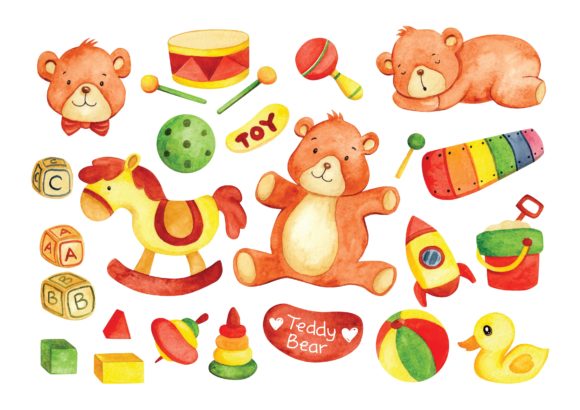
Visually, this style is defined by its organic imperfections. The lines aren’t perfectly vector-smooth; they have the slight wobble and natural taper of a pencil or pen. The colors bleed and blend just as real watercolors do, creating soft edges and gentle gradients. The subject matter—classic kid toys like the featured hand drawn kid toys teddy bear in watercolor style clip art vector illustration—evokes a sense of innocence and joy. This combination results in a creative font alternative in visual form: an asset that brings a distinct personality and handcrafted feel to your work.
Practical Applications for Designers and Creators
Knowing what this clip art is and where it shines is key to using it effectively. Its strength lies in projects that benefit from a human touch, moving away from sterile, corporate aesthetics.
- For Branding and Marketing: This style is a game-changer for businesses targeting families, children, or anyone seeking a friendly, trustworthy image. Think children's book authors, boutique toy shops, organic baby food brands, or family-focused bloggers. Using these illustrations in your logo design or across social media graphics can make your brand identity feel more relatable and caring. It’s far more memorable than a generic stock photo.
- In Publishing and Editorial Design: Whether you're designing a book cover, a magazine layout for a parenting publication, or illustrations for a blog post, these assets add visual interest without overwhelming the text. They work beautifully as spot illustrations, chapter headers, or decorative elements in the margins. When used in editorial design, they help guide the reader’s eye and break up long blocks of text, enhancing readability and engagement.
- For Physical Products and Packaging: The tactile quality of watercolor translates surprisingly well to print. Consider using these illustrations on packaging design for artisanal goods, stationery, party supplies, or children's products. They also make stunning design assets for custom stickers, greeting cards, and party invitations—exactly the uses the collection is built for. The high-resolution JPG and PNG formats ensure crisp, beautiful prints.
- Digital and Web Projects: Don’t limit this to print. The PNG files with transparent backgrounds are perfect for layering over photos or colored backgrounds on websites and in email newsletters. They can serve as engaging header images, clickable buttons, or whimsical dividers. In a web design context, they help create a specific mood and can significantly boost user engagement by making a site feel less intimidating and more inviting.
Integrating This Style into Your Creative Workflow
Adopting a new visual style like this requires a bit of strategy to ensure it works harmoniously with your other design elements. Here’s how to approach it.
First, consider font pairing. Because the clip art has a strong, playful personality, you’ll want typefaces that complement rather than compete. A clean, simple sans serif font often works well for body text, providing a modern and readable counterbalance. For headlines, you could use a friendly handwritten font or a rounded serif font to echo the warmth. Avoid overly ornate or severe script fonts that might clash with the casual watercolor aesthetic. The goal is to create a cohesive visual hierarchy where the illustrations add charm without sacrificing professionalism.
Next, think about color. The watercolor palette will have its own soft, blended tones. Pull one or two key colors from the illustrations to use in your text, backgrounds, or other graphic elements. This creates a unified and intentional look. If you’re working on a brand identity system, document these colors to ensure consistency across all materials.
When evaluating if this style is the right premium font equivalent for your project, ask yourself a few questions: Who is my audience? What emotion do I want to evoke? Does my project call for warmth and authenticity, or for sleek minimalism? The Hand Drawn Kid Toys Water Color Clip Art is a powerful tool, but it’s not a one-size-fits-all solution. It’s perfect for adding a dose of joy and nostalgia but might not align with a brand that needs to convey cutting-edge technology or high luxury.
Finally, always consider the practicalities. The collection includes multiple formats (JPG, PNG, EPS) for a reason. Use the high-resolution JPGs for background textures or large prints. Use the PNGs for precise layering in digital designs. The EPS vector format is invaluable for scaling the illustrations to any size without losing quality—essential for large packaging design or signage. Always check the licensing terms to ensure your intended use, especially for commercial projects, is covered.
By thoughtfully integrating this hand drawn kid toys watercolor clip art, you’re not just decorating a page. You’re making a strategic choice to connect with your audience on an emotional level, building recognition and trust through a consistent, heartfelt visual language. It’s a design asset that does more than look good—it helps tell a story.