Unpacking the Value of 50 Easy KIDS Color Maze 8.5x11 KDP Vol 4
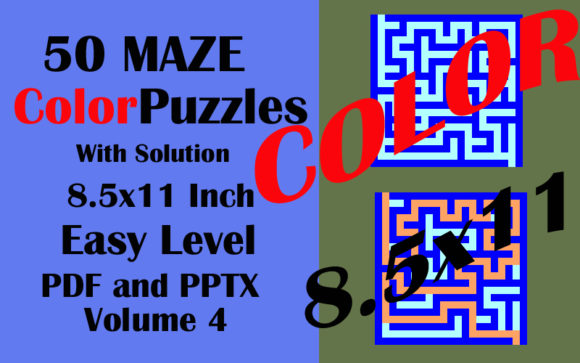
In the world of self-publishing, especially within the children's activity niche, the technical execution of a product is just as critical as the content itself. For creators, designers, and entrepreneurs looking to build a portfolio of low-content books, 50 Easy KIDS Color Maze 8.5x11 KDP Vol 4 represents a specific type of design asset that prioritizes functionality and ease of use. This isn't just a collection of puzzles; it is a pre-formatted interior designed to solve the most common technical headaches associated with KDP publishing. When we talk about this product, we are discussing a system that includes a "Color Maze Puzzle 50 Puzzles with Solutions" layout, specifically engineered for an 8.5" x 11" trim size with no bleed. For the busy publisher or crafter, this means the heavy lifting of layout, scaling, and print-readiness has already been handled. The appeal lies in its "plug-and-play" nature—a 1 PDF file ready to upload and a 1 PPTX file to Modify—which offers both immediate utility and creative control.
Visual Style and Readability for Young Audiences
When evaluating 50 Easy KIDS Color Maze 8.5x11 KDP Vol 4, the most important consideration is the end-user experience. The visual characteristics are defined by clarity and accessibility. Unlike complex artistic mazes that might frustrate younger children, these are described as "Very Easy Level," which implies thick lines, simple pathways, and generous spacing. This approach to visual hierarchy ensures that the child can focus on the problem-solving aspect without visual clutter. From a modern typography standpoint, the text elements—likely titles and solution keys—need to be legible and friendly. A product like this often utilizes sans serif fonts for their clean readability, or perhaps a handwritten font for titles to add a playful, approachable personality. The "Large Print 1 puzzle per page" specification is a deliberate design choice that maximizes usability, preventing the frustration of running out of writing space or accidentally crossing into a neighboring puzzle. This focus on the physical interaction with the page is a hallmark of good editorial design.
The Strategic Advantage of Modifiable Files
For the entrepreneur or small business owner, the inclusion of the PPTX file transforms this from a static product into a versatile creative font and layout resource. While the PDF is the final output for upload, the PowerPoint file allows for customization. This is where brand identity comes into play. You can swap out the cover page, adjust the introductory text, or even change the typeface to match a specific series you are developing. If you are a content creator building a brand around "Seven Elephant" learning tools, for example, you can ensure the styling is consistent. This flexibility is crucial for font pairing experiments. You might decide that the default typeface is too generic and choose to implement a premium font that better reflects your brand's voice—perhaps a script font for the title to add whimsy, while keeping instructions in a clean serif font for stability. The ability to modify the interior allows you to differentiate your product in a crowded market.
Practical Applications and Market Positioning
How does one leverage 50 Easy KIDS Color Maze 8.5x11 KDP Vol 4 effectively? The primary application is, of course, Amazon KDP. The "100% formatted and tested" nature of the file removes the barrier to entry for those who struggle with the technical aspects of packaging design and interior margins. However, the utility extends beyond just book publishing. Marketers and bloggers in the education sector can use individual pages as free lead magnets or downloadable resources to grow their email lists. A designer could repurpose the maze concepts for social media graphics, creating interactive "Swipe Up" stories or printable activity sheets for a parenting website. The "50 pages" content volume provides enough material to drip-feed content over several months or bundle into a larger educational kit. Because the level is "Very Easy," it targets a specific demographic—likely toddlers and preschoolers—allowing you to tailor your web design and marketing copy to parents of that specific age group.
Evaluating Quality and Professionalism
For the content creator looking to build a reputation, the quality of the interior reflects directly on their professionalism. A maze that is pixelated, poorly aligned, or cramped suggests a lack of care. The specifications of 50 Easy KIDS Color Maze 8.5x11 KDP Vol 4—specifically the "no bleed" requirement for standard paper and the "Large Print" format—are indicators of a product designed for reliability. When you upload a file that has been "tested," you minimize the risk of customer complaints regarding printing errors. This reliability boosts brand perception. Furthermore, the inclusion of solutions is a standard expectation for this type of activity book, adding value for the parent who needs to verify the child's work. Whether you are a hobbyist creating gifts or a serious publisher scaling a business, starting with a solid technical foundation like this allows you to focus your energy on marketing and audience engagement rather than troubleshooting PDF errors. It is a practical, grounded approach to building a library of children's content.
Final Thoughts on Usability
Ultimately, the value of 50 Easy KIDS Color Maze 8.5x11 KDP Vol 4 lies in its ability to streamline the production process while maintaining a high standard of user experience. It respects the constraints of print-on-demand technology while serving the developmental needs of children. By providing both a ready-to-upload PDF and an editable PPTX, it bridges the gap between convenience and customization. For the designer, it is a template to be styled; for the entrepreneur, it is a product to be sold; and for the marketer, it is a resource to be shared. The focus on "Easy" mazes ensures broad appeal for the youngest demographic, minimizing frustration and maximizing the sense of accomplishment—a critical factor in audience engagement for children's educational products.